Trekking with Kids in Nepal: The Safest and Easiest Routes for Families in Nepal
By Trip Pokhara 2025-12-26

Trekking with kids in Nepal is an adventure like no other. The majestic Himalayas offer a stunning backdrop for family bonding. Imagine your children’s eyes lighting up at the sight of snow-capped peaks.
Nepal is a treasure trove of family-friendly trekking routes. These paths are safe and easy, perfect for young adventurers. Families can explore lush forests, quaint villages, and vibrant cultures.
Planning a family holiday in Nepal requires careful thought. Choosing the right trek is crucial for a successful trip. Consider the age and fitness of your children when selecting a route.
Safety is a top priority when trekking with kids. Proper gear and acclimatization are essential to prevent altitude sickness. Hiring a local guide can enhance safety and enrich the experience.
Trekking in Nepal with kids is more than just a hike. It’s an educational journey filled with cultural interactions. Children can learn about local customs and wildlife along the way.
The best seasons for family trekking in Nepal are spring and autumn. These times offer pleasant weather and clear skies. Families can enjoy breathtaking views without the crowds.
Family trekking in Nepal is a chance to create lifelong memories. It fosters a love for nature and adventure in children. This guide will help you plan the perfect family trek.
From easy treks for kids to more challenging routes, Nepal has it all. Let’s explore the safest and easiest routes for families. Embark on a Nepal adventure trip that your family will cherish forever.
Why Trekking in Nepal is Perfect for Families
Nepal's stunning landscapes are a playground for families. The breathtaking mountains inspire awe in children and adults alike. Each step on the trail reveals a new wonder.
Trekking with kids in Nepal nurtures family bonds. Shared adventures in nature create lasting connections. The teamwork involved in trekking unites families like nothing else.
Nepal offers a variety of routes, catering to different skill levels. Families can choose from easy treks for kids to more challenging paths for older children. This flexibility makes trekking accessible for everyone.
Cultural experiences enrich the journey of trekking in Nepal. Families have the unique opportunity to immerse themselves in local traditions. Children learn about different ways of life, broadening their horizons.
Educational opportunities abound on these trails. Families can explore diverse ecosystems and observe unique wildlife. This hands-on learning is invaluable and leaves a lasting impact on children.
Key benefits of trekking in Nepal with kids include:
- Strengthening family bonds
- Experiencing diverse cultures
- Enjoying stunning natural beauty
- Providing educational opportunities
For many, trekking in Nepal becomes a cherished family tradition. The memories forged on these trails are unforgettable. The Himalayas offer families a unique blend of adventure, education, and bonding time. Embracing the journey of trekking with kids in Nepal promises an experience unlike any other.
When to Go: Best Seasons for Family Trekking in Nepal?
Timing your trek is crucial for a successful family adventure in Nepal. The country boasts two ideal trekking seasons: spring and autumn.
Spring, from March to May, offers mild weather. The trails are bursting with flowers and vibrant greenery. This season brings warmth and longer daylight hours, perfect for easy treks for kids.
Autumn, from September to November, is another excellent choice for trekking with kids in Nepal. Clear skies provide stunning views of snow-capped peaks. The cooler temperatures are ideal for exploring without overheating.
Consider these factors when planning your family trek:
- Optimal weather conditions
- Abundant natural beauty
- Safety of trail conditions
Avoid trekking during the monsoon season, as heavy rain can make trails slippery and challenging. Likewise, winter treks may expose your family to extreme cold and unpredictable weather. Choosing the right season ensures a smoother and more enjoyable trekking experience. Proper planning aligns with the natural rhythm of Nepal's breathtaking landscape.
How to Choose the Right Trek for Your Family
Selecting the perfect trek for your family involves several considerations. It’s crucial to match the trek with your children’s ages and fitness levels.
Begin by assessing each family member's ability and interests. Young children may require shorter treks, while older ones can handle more challenging routes.
Think about the duration of the trek. Family treks are usually shorter to prevent fatigue. Consider how much time your family can spend comfortably on the trail.
Evaluate the trek difficulty. Some trails feature steep climbs, while others are more moderate. The goal is to select a route that everyone can enjoy.
Look for treks that offer cultural experiences. Encounters with local communities can be educational and engaging for children.
Consider accessibility. Choose treks with easy access to medical facilities and amenities. This ensures peace of mind for any unforeseen circumstances.
Here are some factors to help decide the right trek:
- Ages and fitness levels of family members
- Trek duration and difficulty
- Cultural and educational opportunities
- Proximity to services and infrastructure
By aligning these elements with your family's needs, you can choose a trek that is safe, enjoyable, and memorable. Every family adventure in Nepal should accommodate both adventure and leisure, ensuring a fantastic experience for everyone.
Top 5 Family-Friendly Treks in Nepal
Nepal offers numerous trekking routes suitable for families with children. These treks provide a blend of natural beauty and cultural experiences.
Each trek in Nepal offers its unique charm and challenges. Choosing the right one depends on your family's preferences and experience level.
Whether you’re after breathtaking vistas or cultural interactions, Nepal's family-friendly treks ensure an unforgettable adventure. Here are the top seven that many families love.
1. Ghorepani Poon Hill Trek

Families will love the Ghorepani Poon Hill Trek. Without the challenges of high-altitude climbs, this trek offers breathtaking views.
Young children can manage the trek, which typically lasts four to five days. Families can enjoy the scenery stress-free thanks to its moderate difficulty level.
Panoramic views of the Annapurna and Dhaulagiri ranges are among the highlights. The trek is accessible and well-facilitated because it starts close to Pokhara.
Villages along the route offer tea houses with family accommodations. This provides comfort and local cuisine for adventurous families.
Spring and autumn are the best seasons for this trek. Flowers bloom in spring, while autumn provides clear skies and great visibility.
Consider these key factors for the Ghorepani Poon Hill Trek:
- Duration: 4-5 days
- Difficulty: Moderate, suitable for children
- Location: Begins near Pokhara
- Highlights: Annapurna and Dhaulagiri views
- Best Time: Spring or Autumn
2. Langtang Valley Trek

Langtang Valley Trek presents a great mix of culture and wilderness. It's a rewarding trek for families looking for less crowded paths.
The trek is longer, about 7 to 9 days. It provides a chance to see diverse landscapes, from lush forests to high alpine terrain.
Families can expect memorable interactions with the local Tamang community. This adds a rich cultural experience to the natural beauty of the valley.
The route is less strenuous, staying below 4,000 meters. This makes it suitable for children without risking altitude sickness.
Spring or autumn are ideal seasons. The weather is mild, with clear views of the Langtang Lirung peak.
Langtang Valley Trek includes these features:
- Duration: 7-9 days
- Difficulty: Moderate
- Altitude: Below 4,000 meters
- Cultural Aspect: Tamang community interactions
- Best Time: Spring and Autumn
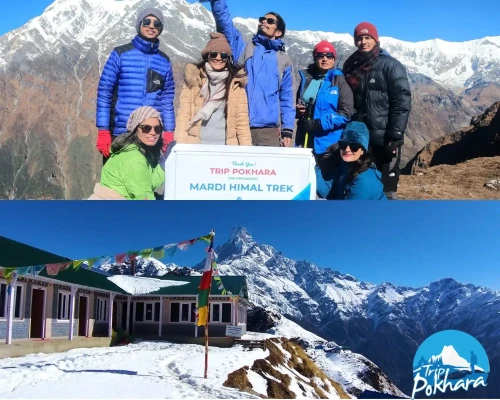
3. Mardi Himal Trek

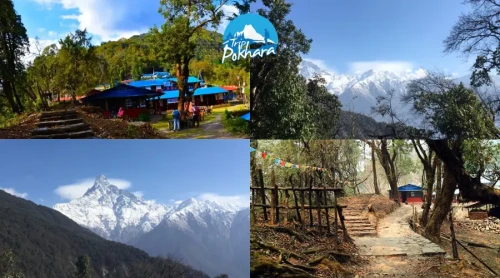
The Mardi Himal Trek is a hidden gem. It offers families a less crowded experience with pristine landscapes and panoramic views.
This trek can be completed in 5 to 7 days. Its paths are moderate, yet rewarding, making it an excellent choice for adventurous families.
You’ll traverse diverse terrain, from rhododendron forests to rugged high-altitude landscapes. The trek offers splendid vistas of Mardi Himal and Machapuchare.
Families enjoy fewer trekkers on this route, allowing for peaceful and personal experiences. Accommodations are simple yet comfortable.
The optimum trekking time is spring and autumn. These seasons offer the best weather and blooming flora.
Features of the Mardi Himal Trek include:
- Duration: 5-7 days
- Difficulty: Moderate
- Highlights: Mardi Himal and Machapuchare views
- Best Time: Spring and Autumn
- Unique Aspect: Less crowded trail
4. Lower Mustang Trek

The Lower Mustang Trek is renowned for its distinct landscape. This trek offers families a taste of Nepal's high desert region.
Duration varies from 7 to 8 days. With minimal altitude concerns, it's ideal for children, providing diverse sights and experiences.
Families can explore the ancient kingdom of Mustang, with its unique culture and architecture. The trek routes are moderate and visually intriguing.
Travel through striking red cliffs and barren landscapes, enhancing the sense of adventure. The area’s Tibetan influences enrich the cultural journey.
Spring and autumn offer the most pleasant climate. Clear skies highlight the area's stunning natural features.
Consider these aspects of the Lower Mustang Trek:
- Duration: 7-8 days
- Difficulty: Moderate
- Highlights: Ancient Mustang Kingdom
- Best Time: Spring and Autumn
- Cultural Aspect: Tibetan influence
5. Annapurna Base Camp (for older kids)
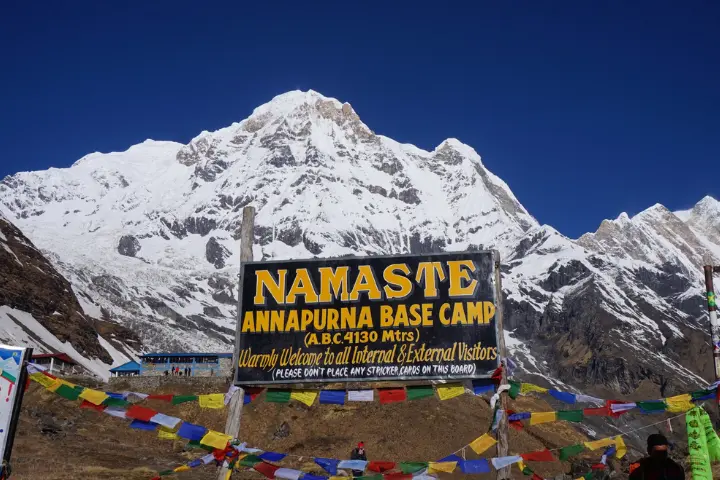
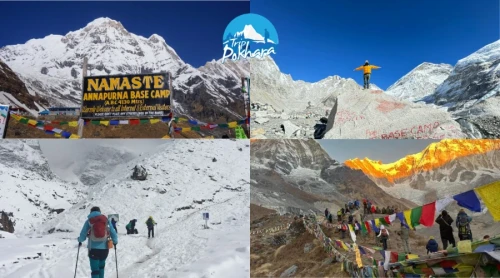
The Annapurna Base Camp Trek is a classic challenge. It’s suitable for families with older children ready for an adventure.
The trek lasts 10 to 12 days. It offers a thrilling journey into the heart of the Annapurna range.
Families will ascend to 4,130 meters, rewarding them with extraordinary views. The route combines natural wonders and diverse cultures.
Reaching the base camp is an exhilarating experience, marking a significant achievement for adventurous families.
Spring or autumn offer the most comfortable conditions. Clear mornings provide spectacular sunrise views over the Annapurna peaks.
Features of the Annapurna Base Camp Trek:
- Duration: 10-12 days
- Difficulty: Challenging, for experienced trekkers
- Altitude: 4,130 meters
- Highlight: Annapurna Base Camp
- Best Time: Spring and Autumn
Essential Safety Tips for Trekking with Kids in Nepal
Trekking in Nepal with children requires careful preparation. Safety should always be your top priority on these journeys.
Begin with proper gear. Ensure all family members have well-fitting boots, suitable clothing, and rain protection. Comfort is key to happy trekking.
Acclimatization is crucial. Ascend slowly to help kids adjust to altitude changes. Monitor for signs of altitude sickness and take breaks often.
Hydration is essential. Carry enough water and encourage children to drink frequently. Dehydration can occur quickly, especially at high altitudes.
Hiring a local guide adds safety and enriches the experience. Guides offer knowledge of the trails and local culture, ensuring a more enjoyable trek.
Be ready for unexpected weather changes. Always check forecasts and pack extra layers. This prevents hypothermia and keeps everyone comfortable.
Equip kids with basic first aid knowledge. Teach them how to handle minor injuries like blisters and scrapes. This encourages confidence and safety awareness.
Consider these additional safety tips:
- Always keep children within sight
- Use sunblock to prevent sunburn
- Bring a whistle for emergencies
- Plan for shorter trekking days
When planning, remember these vital preparations:
- Obtain travel insurance covering trekking activities
- Inform someone about your trekking route
- Have a well-stocked first-aid kit
- Carry snacks for energy
With preparation and awareness, trekking with kids in Nepal becomes a safe, educational adventure.
Packing List: What to Bring for the Family Trekking in Nepal?
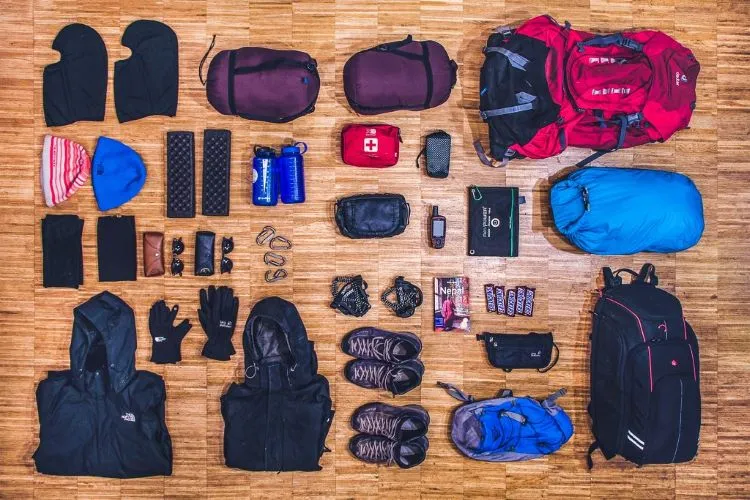
Packing smartly ensures a smooth trekking experience. Bring items essential for comfort, safety, and enjoyment. Prioritise quality over quantity, especially for longer treks.
Begin with clothing. Layers are crucial due to varying temperatures. Ensure everyone has:
- Moisture-wicking base layers
- Insulated jackets
- Waterproof outerwear
- Sun hats and gloves
Packing proper gear elevates the trekking journey. Besides clothing, include these key items:
- Sturdy hiking boots
- Trekking poles
- Reusable water bottles
- Headlamps with extra batteries
Don't overlook necessities that keep the family comfortable and entertained. Items like snacks and games can make a difference. Remember to include:
- A detailed first-aid kit
- Favorite snacks for energy boosts
- Travel-sized toiletries
- Compact games or playing cards
This comprehensive packing list allows families to embrace their trekking adventure with confidence. Well-packed bags contribute to a safer, more enjoyable experience for all ages. Adjust your list based on the specific needs and preferences of your family to ensure everyone is well-prepared and comfortable during the journey.
Accommodation and Food: What to Expect on the Trail?
Trekking in Nepal offers a unique blend of simplicity and comfort. Traditional tea houses are a popular lodging choice. They provide basic amenities, fostering a cozy, communal atmosphere.
Expect modest rooms with fundamental comforts like beds and blankets. Some may offer hot showers and Wi-Fi, typically for an extra fee. Prepare for the rustic charm of these accommodations.
The food on the trail reflects local flavours and is both nourishing and satisfying. You'll find items like:
- Dal Bhat (lentils and rice)
- Momos (dumplings)
- Hot soups and noodles
Menus often include variations catering to different palates, like pancakes or eggs. These meals provide essential energy for trekking.
Experience the warmth of Nepali hospitality through shared meals. Socialize with fellow trekkers in dining halls, exchanging stories and experiences. This aspect enriches the cultural experience of your trekking adventure.
Hiring Guides and Porters: Making Easy Treks For Kids
Hiring local guides and porters can vastly improve your trekking experience in Nepal. Guides offer insight into local culture, history, and safety, enhancing your journey.
Porters carry heavy loads, allowing you to focus on the trail and enjoy the scenery. This is especially helpful when trekking with kids, as it reduces physical strain on parents.
When choosing guides and porters, verify their credentials. A reputable service provides professionals with extensive knowledge and experience. Consider these factors when hiring:
- Language skills
- Familiarity with routes
- References from previous trekkers
Guides and porters also add a layer of security to your trek. They can navigate terrain complexities and assist in unforeseen situations. This investment ensures a smoother, safer, and more enriching adventure for your family.
Keeping Kids Engaged and Happy on the Trail
Keeping kids engaged during a trek can be challenging. However, with thoughtful planning, it can turn into a delightful adventure.
Involve your children in nature-based activities to keep them interested. Encourage them to spot wildlife or identify different plants. This not only engages them but also enhances their appreciation for nature.
Games and storytelling are also excellent ways to maintain enthusiasm. Plan games like ‘I spy’ or share tales about the Himalayas to captivate their imagination. Keeping them entertained helps in maintaining a positive attitude throughout the trek.
Here are additional tips to keep kids happy:
- Pack favorite snacks
- Take frequent breaks
- Let them capture photos
These small efforts go a long way in making the trek enjoyable for the entire family, ensuring everyone creates beautiful memories together.
Health, Altitude, and Emergency Preparedness

Health and safety are top concerns when trekking in Nepal with kids. Understanding altitude and its effects is crucial.
Acclimatization is key. Ascend gradually and ensure plenty of rest. This helps prevent altitude sickness, especially in children.
Stay hydrated. Water is your best friend while trekking. Carry sufficient supplies to avoid dehydration.
It's essential to prepare for emergencies. Have a first-aid kit with necessary medications. Items like band-aids, antiseptic creams, and pain relievers can be lifesavers.
List of important health considerations:
- Monitor for altitude sickness symptoms
- Maintain a steady pace
- Consult a doctor pre-trip
- Hire a guide familiar with the route
Check that your travel insurance covers trekking. Emergency services are available, but having proper coverage adds peace of mind.
Preparing for altitude challenges and emergencies ensures a safer trekking experience. Both kids and adults will be better protected, increasing the chances of a joyful and secure adventure.
Cultural Experiences and Learning Opportunities for Kids
Trekking in Nepal offers cultural immersion for children, providing real-world learning experiences. Witnessing daily life in mountain villages is enlightening.
Interacting with locals fosters understanding and respect for different ways of life. It's a unique chance to widen children's perspectives.
Cultural experiences to explore include participating in festivals or visiting monasteries. These activities teach kids about Nepalese traditions and beliefs.
Learning opportunities for children:
- Exploring local customs and traditions
- Trying traditional Nepalese foods
- Participating in local ceremonies
- Understanding local dialects
Encouraging kids to document their experiences through journaling or photography can enhance their learning. It also creates lasting memories.
Witnessing the Himalayas' majestic beauty is inspiring. It's both an educational and transformative experience for young minds. The trek becomes more than just a journey; it’s an exploration of a vibrant culture.
Sustainable and Responsible Family Trekking
Sustainable family trekking in Nepal means preserving its beauty for future generations. Families play a vital role by adopting responsible practices.
Respecting local customs and the environment is crucial. Teach children the significance of leaving no trace and preserving natural habitats.
Consider these actions for sustainable trekking:
- Carry reusable water bottles to reduce plastic waste
- Support local businesses and communities
- Stay on marked paths to prevent erosion
- Pick up any litter along the trails
By making informed choices, families can ensure the Himalayas remain pristine. This not only benefits Nepal but also enriches the trekking experience.
Emphasise the importance of conservation to children. Instilling these values creates conscientious future travellers who cherish and protect global treasures.
Beyond Trekking: Other Family Outdoor Activities in Nepal

Nepal offers more than just trekking adventures. Families have a plethora of outdoor activities to explore.
Wildlife safaris provide a chance to see Nepal's diverse fauna. Chitwan National Park offers elephant rides and bird watching.
Cultural tours are another engaging option. Families can visit ancient temples and bustling markets. It's a chance to immerse oneself in local traditions.
Consider these outdoor activities:
- White-water rafting on Nepal’s thrilling rivers
- Paragliding in Pokhara for spectacular views
- Cycling tours to explore hidden corners
- Zip-lining for the adventurous at heart
These activities enrich your family holiday experience. They offer diverse ways to enjoy Nepal’s natural beauty and vibrant culture. Each venture allows for creating precious memories together.
Sample Itineraries for Family Treks
Planning is key to a successful family trek in Nepal. Itineraries help ensure everyone stays engaged and comfortable.
A short trek like the Ghorepani Poon Hill takes about four to five days. It offers manageable hikes with breathtaking sunrise views.
For those seeking a bit more adventure, the Langtang Valley Trek might fit the bill. Spanning seven to eight days, it introduces families to stunning landscapes and Tibetan culture.
Here's a quick sample of possible itineraries:
- Ghorepani Poon Hill: 4-5 days, starting in Nayapul.
- Langtang Valley: 7-8 days, beginning in Syabrubesi.
These routes are well-suited for families. They provide ample opportunities for both relaxation and excitement. Remember to tailor your itinerary to suit the interests and capabilities of your family.
Final Nepal Trekking Tips for Families
Family trekking in Nepal can be an exciting journey when planned well. Here are some final tips to ensure a smooth adventure.
Firstly, always prioritise safety. acclimatization is crucial; spend time adjusting to higher altitudes before longer hikes. Hydration and listening to your body are important.
Secondly, involve your kids in preparations. Excitement builds when children help plan activities or choose snacks. It sparks curiosity and engagement.
Lastly, flexibility is your friend. Adjusting your plans to accommodate weather changes or moods can reduce stress. Always have a backup plan.
Here's a quick checklist for a successful trek:
- Prioritise safety and acclimatization.
- Include kids in the planning.
- Stay flexible with your itinerary.
Following these tips will make your family trek in Nepal a memorable experience. Enjoy the wonders of nature and create lifelong memories with your loved ones.
Frequently Asked Questions about Trekking in Nepal with Kids
Embarking on a trek in Nepal with kids can spark many questions. Below are some frequently asked queries.
Is trekking in Nepal safe for children?
Yes, with the right planning and precautions, it is safe. Select family-friendly routes and consider the season.
How young can children start trekking?
Children as young as five can enjoy trekking. However, consider their stamina and interest.
What if my child feels tired during the trek?
Plan for shorter trekking days. Frequent breaks can help children stay refreshed and motivated.
Do we need special equipment for kids?
Proper footwear and clothing suitable for various weather conditions are essential. A basic first-aid kit is crucial, too.
Can we find child-friendly meals on the trail?
Yes, many teahouses offer simple, kid-friendly dishes. Carrying some snacks is also a good idea.
Here are some major key points to remember:
-
Choose routes suitable for kids.
-
Plan your travel during the best trekking seasons.
-
Allow for flexible itineraries with plenty of downtime.
By addressing these common concerns, families can better prepare for an unforgettable experience in Nepal.
Recent From Blog

2022-04-19

2022-04-20
.jpg)
2022-04-20

2022-04-20

2023-02-03
2023-02-06

2023-02-15

2023-03-07

2023-10-16


2025-07-21


2025-08-14


2025-08-24


2025-08-25


2025-08-27


2025-09-24
.webp)





2025-12-09